Handkerchiefs from a Repurposed Bedsheet

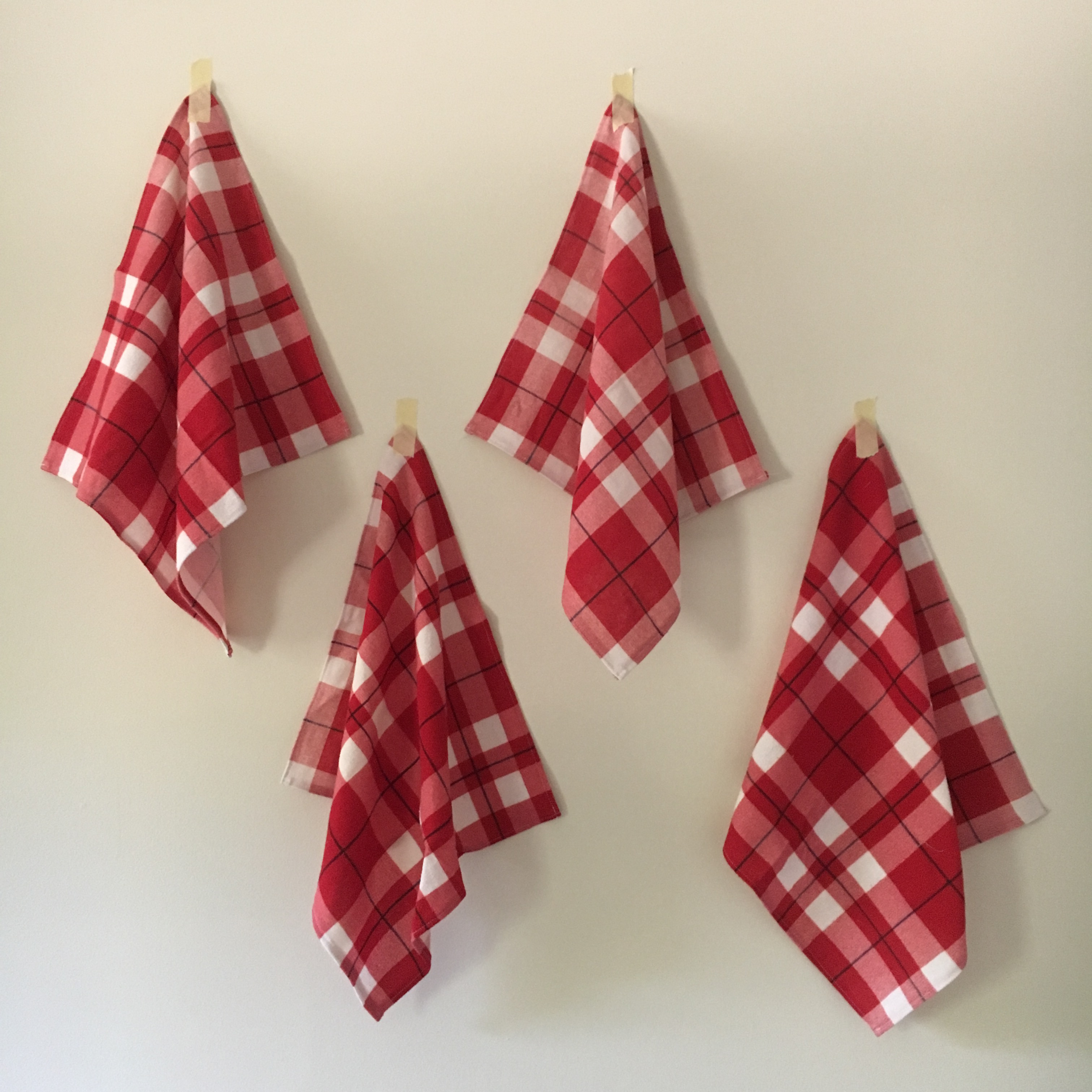
Handkerchiefs made from a torn bedsheet.

Not all sewing is glamorous and Insta-worthy. Nope. Sometimes I’m stitching things I need or making the most out of some fabric so it doesn’t end up in a landfill.

Apparently, I like to run marathons in my sleep, because I wore a hole in a flannel fitted sheet. Now, to my defense, these are fast home décor (think fast fashion, but with home décor). We’ve only had the sheets for a couple of years (and use them seasonally because they’re flannel), but still, a hole showed up.
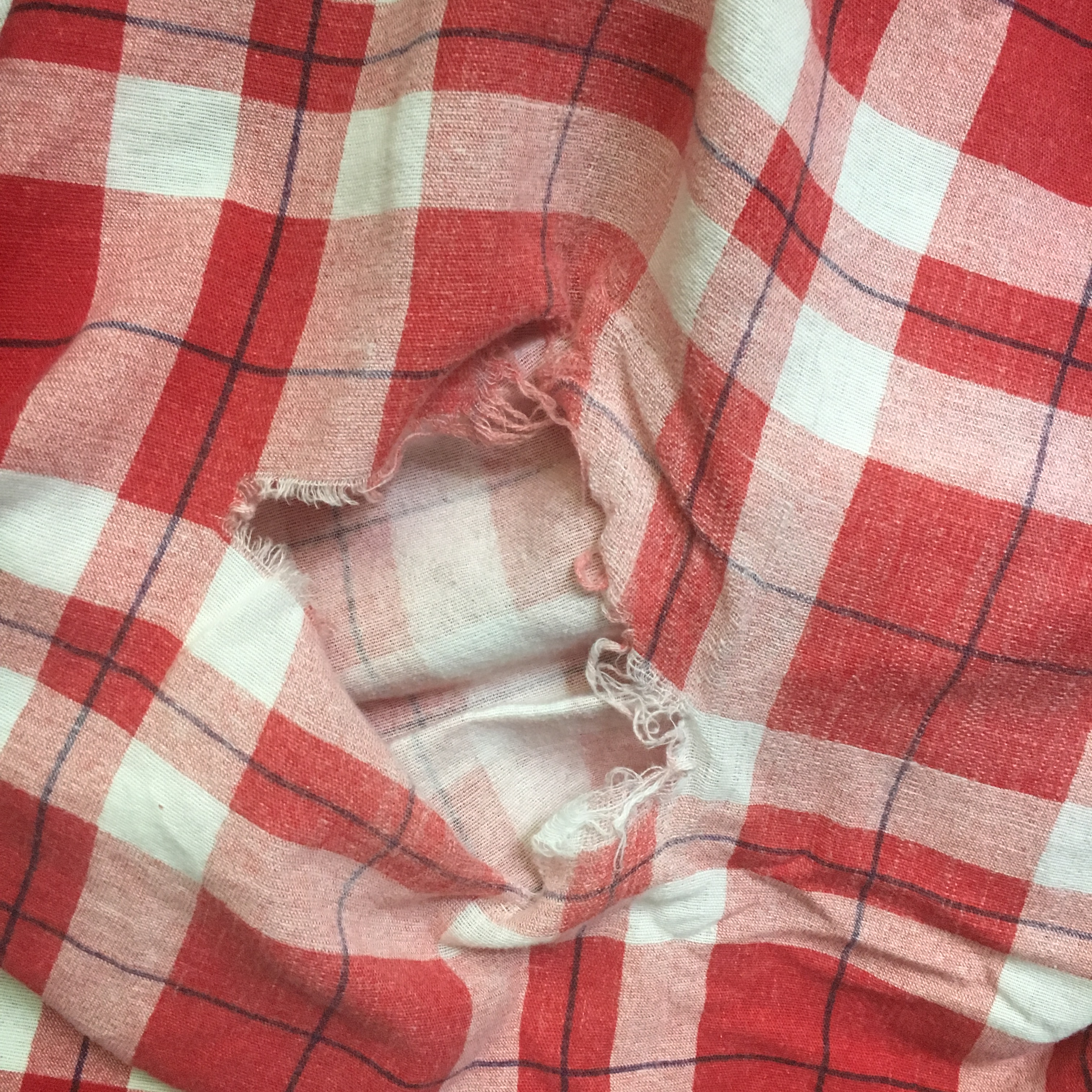
To my credit, I made the hole larger so that I WOULD NOT MISS IT and try to put it back on the bed.

The sheet is queen-size. That’s a lot of fabric without a hole. I washed the sheet and kept it because I knew I’d think of something to use it for. Finally, I decided on handkerchiefs. I grew up using handkerchiefs, or hankies, when I had a cold. Granted, they’re gross. You blow your nose on them. And, you don’t throw them away like you would with a tissue. But, because you DON’T throw them away, you always have one handy. Also, you don’t have to remember to buy tissues or use toilet paper.

Because this sheet was to become hankies, I wasn’t too worried about how they looked in the end. I mean, they’re going to wipe up snot. I simply cut out as many squares as I could by cutting along the plaid pattern. Further evidence of this sheet being fast home décor? The plaid isn’t yarn-dyed, it’s piece-dyed (piece-printed?). Most plaids are yarn-dyed. Go to your closet and check out your favorite plaid shirt and flip it over to the reverse side. The reverse should look like the front and not plain. The reverse of this sheet is white, not plaid: piece-dyed. Because of this, cutting along the plaid pattern didn’t necessarily result in true square pieces. But, whatever—snot.
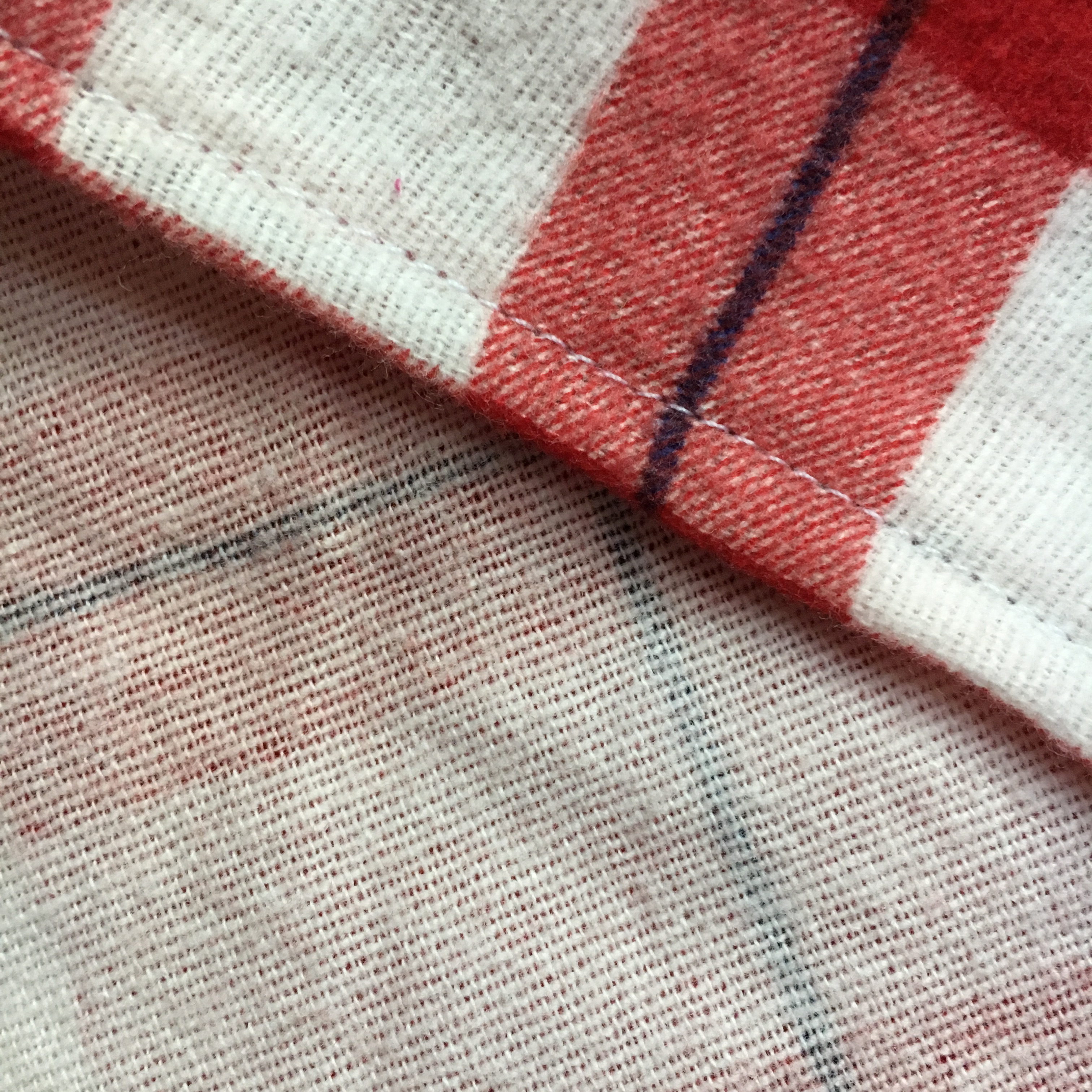
Plaid on one side; plain on the reverse.

I took the time to press a ¼” hem on two opposite sides of each hankie. Then, I stitched it down. I was going to press the remaining two sides, but it took a long time the first round. I decided to wing it and just fold the hem over as I stitched, because boogers. It worked! They didn’t turn out too shabby—for hankies.
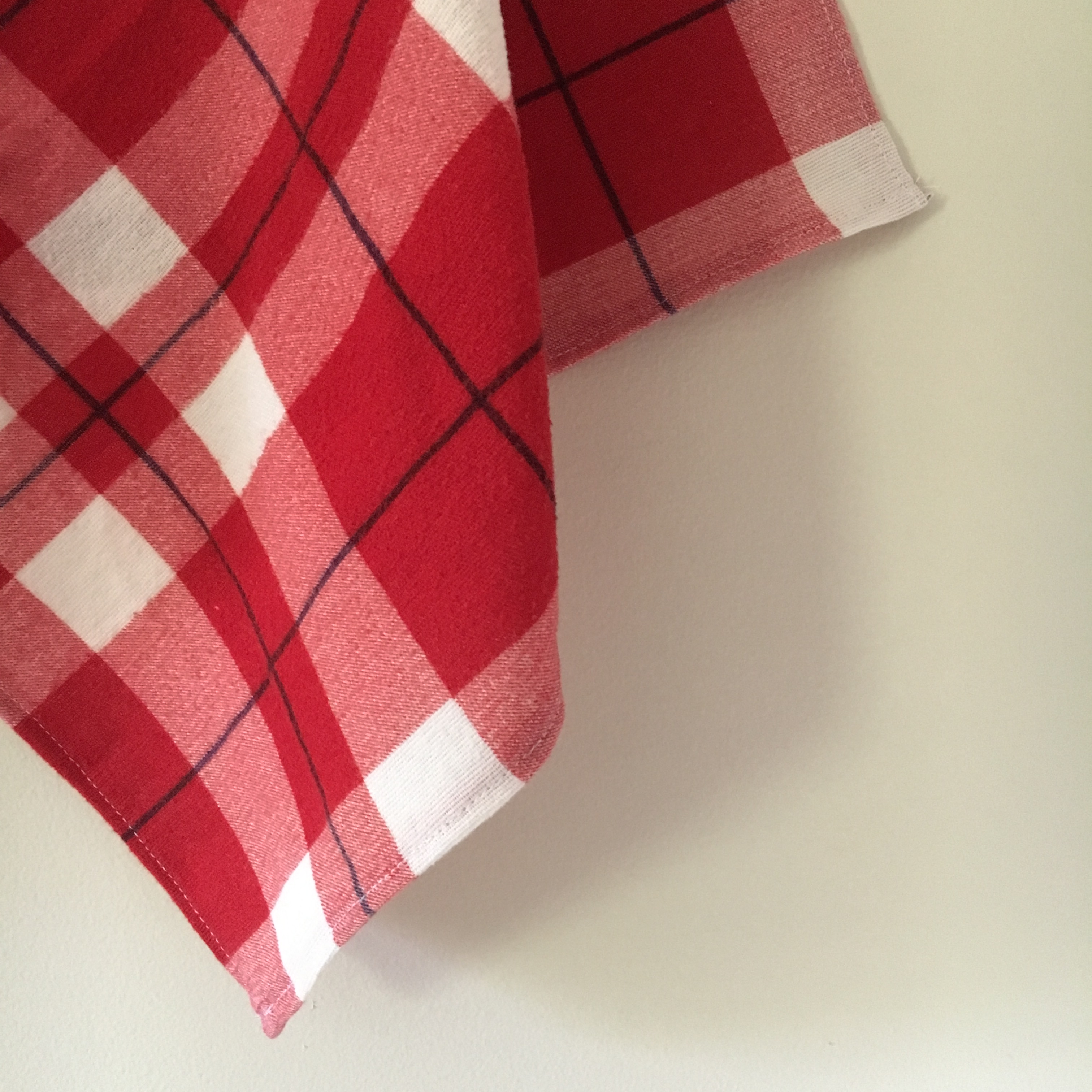
Artsy shot of a snot rag.

The result is 20 or so hankies for my family to use. And, bonus! I came down with a cold only a week or so after I finished making these. I used them and I’m satisfied with how they turned out. One sheet saved from the landfill and a house of happy noses!
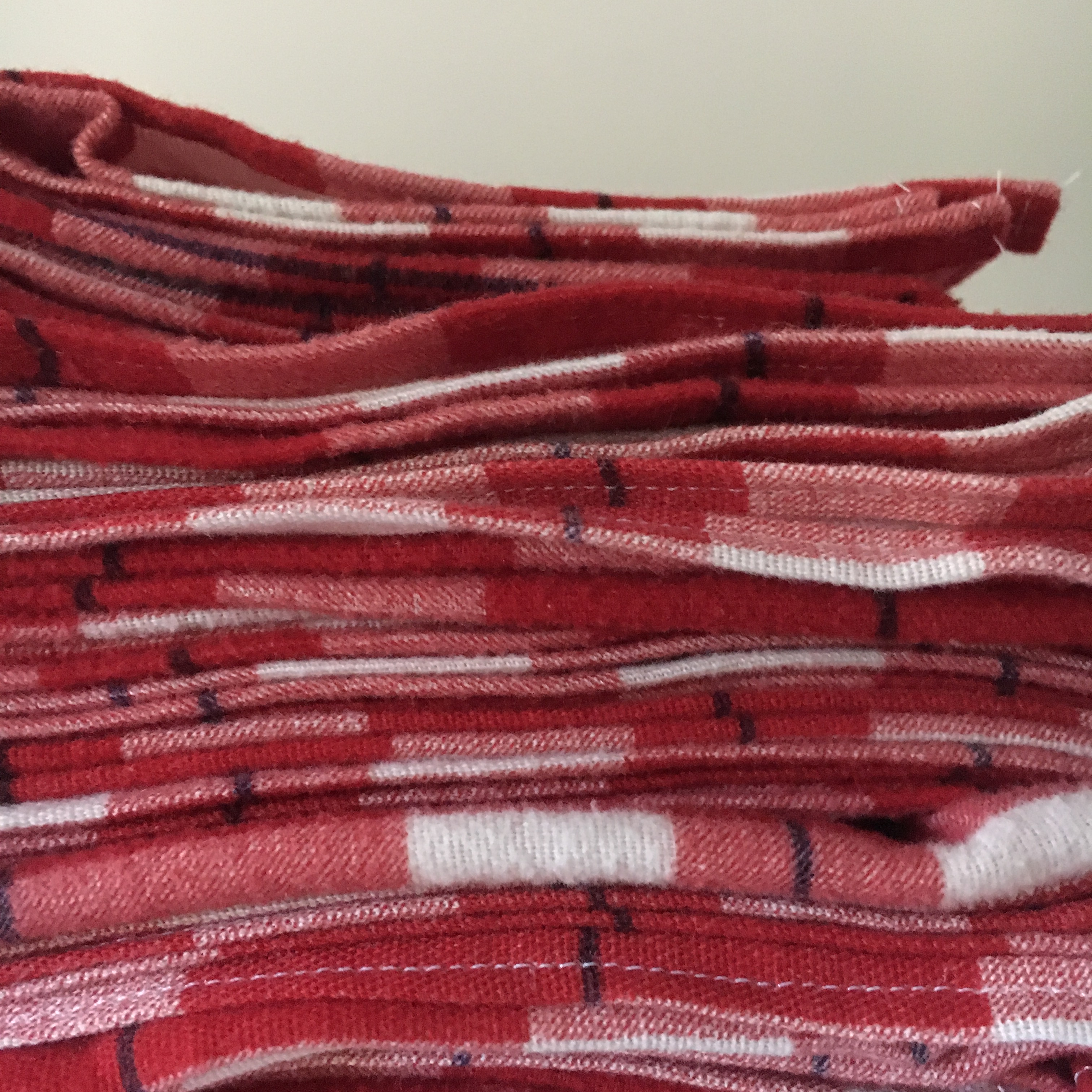
Stitched. Folded. Stacked. Ready for boogers.


Tips & Tricks for Starting Avocado Pits

My first 5 pits that I potted.

At the end of 2017, I decided I was going to try my hand at growing an avocado tree in 2018. You know, just for fun. But I also challenged my siblings and parents to grow one, too. I started 10 pits. (Because avocado pits take a long time to start, I’m eager, and I wanted to increase my odds of getting a new, fun houseplant—I’m well aware avocado trees don’t grow in Ohio!)

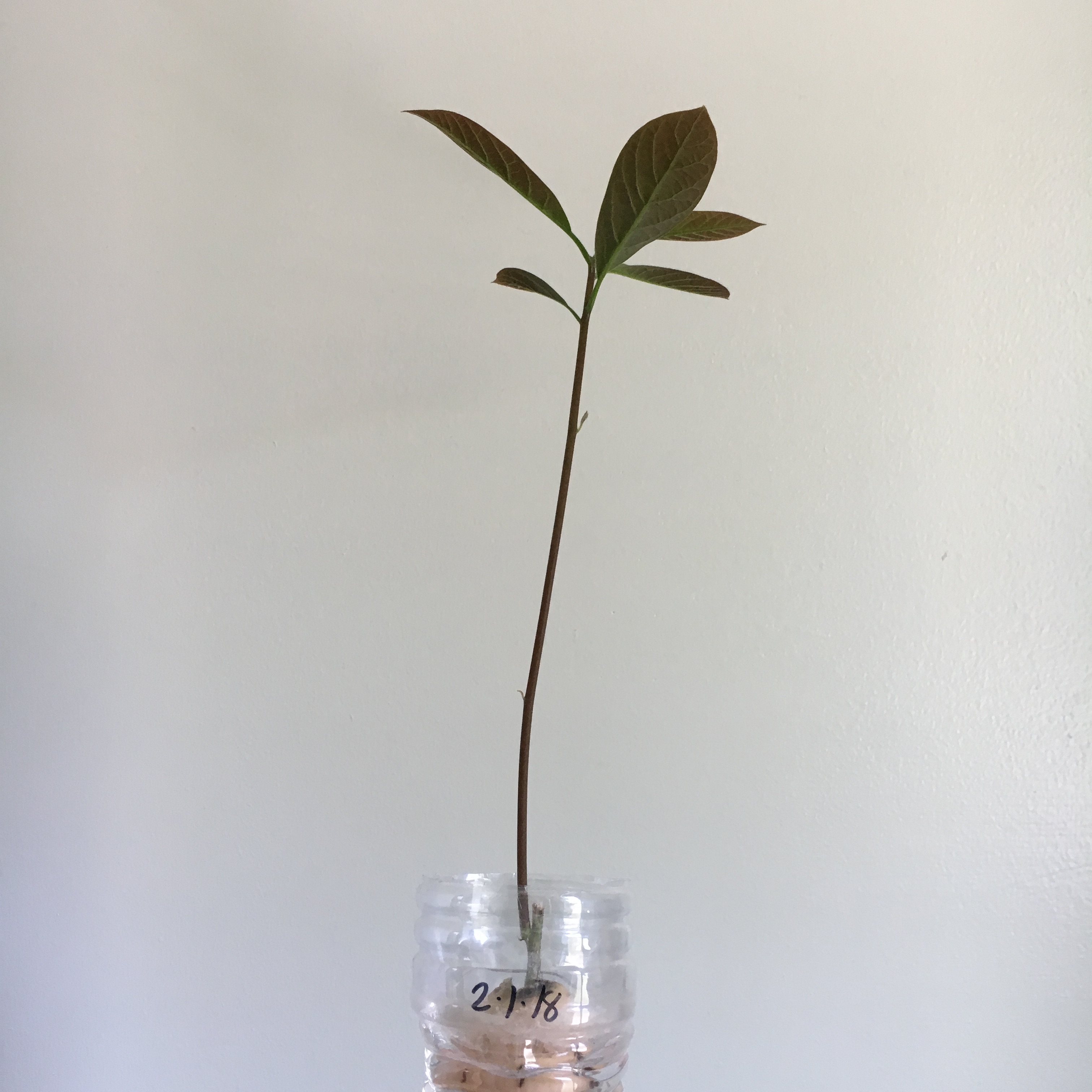
My avocado seed setup: 8 in water bottles; 2 in AvoSeedos. First they split, send out roots, and then grow a shoot.

Right now, 7 are in pots; 1 is sending up a shoot (and will need to be potted within a few weeks); 2 have rooted. I’m at the point of giving away some of the trees because I can’t possibly keep 7 avocado trees—I just want 1 or 2, maybe 3.

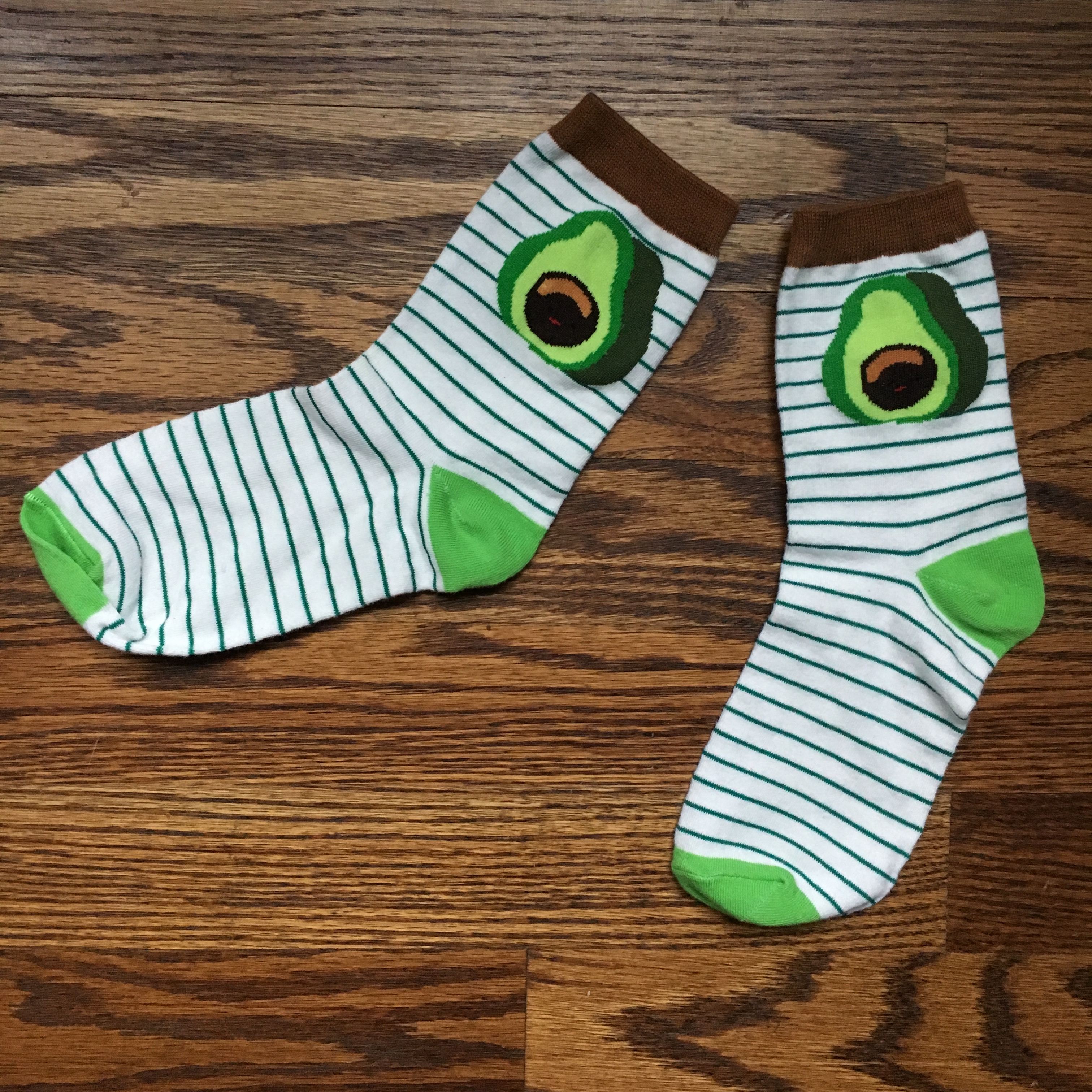
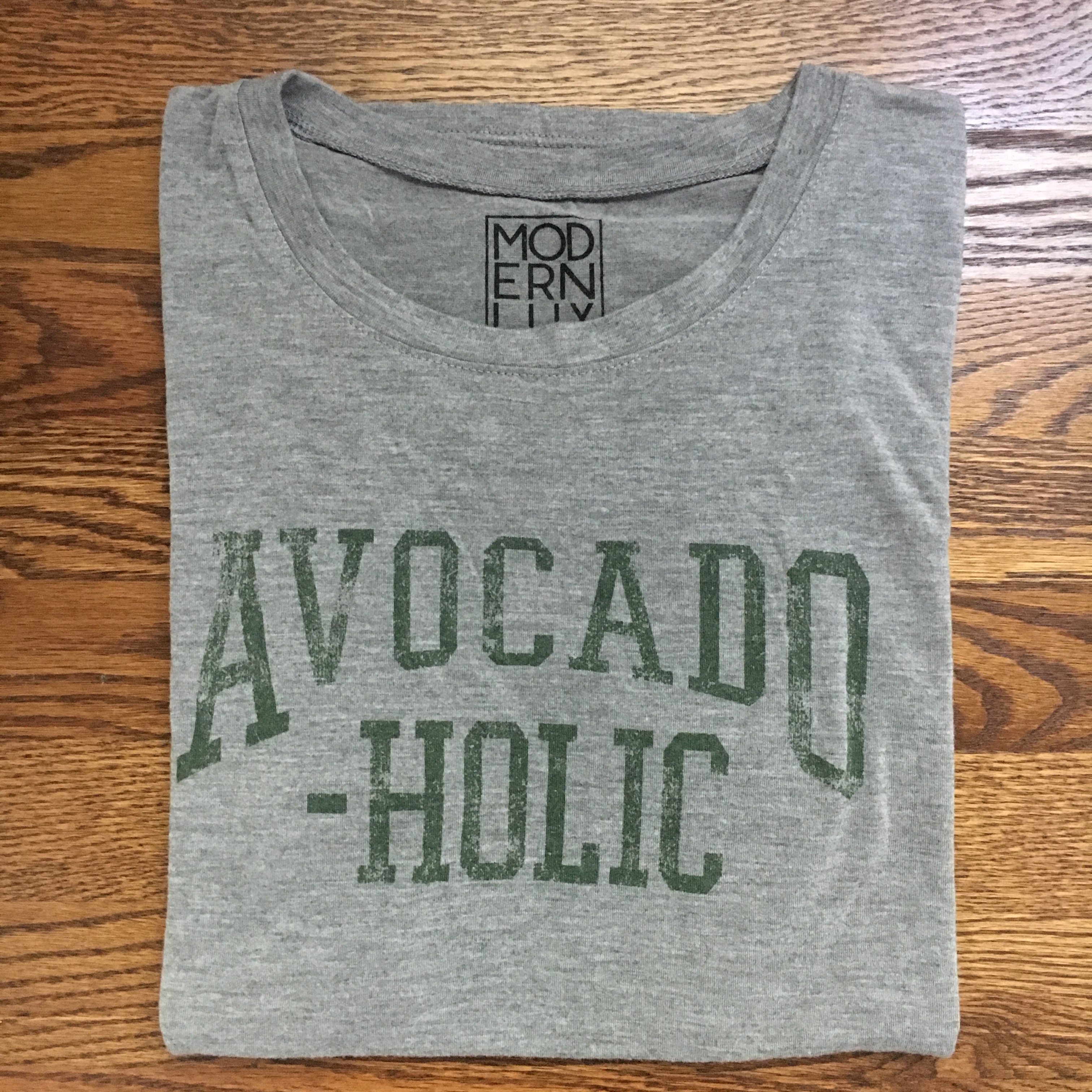
I’ve been chronicling my avocado journey on Instagram and dare I say that it has become my “thing.” As in, friends and family are starting to gift me avocado-related items. A friend gave me some snazzy socks and I received a funny “Avocado-holic” t-shirt from family.

I can’t wait for cooler weather so I can start sporting my avocado socks again!
The shirt doesn’t lie. And, it’s comfortable!

When it comes to growing plants and caring for them, I tend to not be too scientific with it. I wing it—go with my gut, for better or worse. But, because of aforementioned challenge, I actually researched this endeavor—a little bit—and then created my own piecemeal method. I’d say 7 out of 10 pits potted ain’t too shabby. Almost 80% successfully grown into trees and who knows what’s going to happen with those last 2?

So, I figured, I’d share with you how I’ve done it. My method sprouts avocado seeds without toothpicks, which is a common technique. I started with the soaking technique in this video:

But! I only soaked my pits until the peel came completely off (with my help). As soon as they were peeled, I transferred them to water bottle starters that I learned to make with this video:

I kept the bottles filled with enough water so the bottom half of the pit was always submersed.

My 2 AvoSeedos and the cup I soaked my pits in.

Here, I’m going to tell you that I tried 2 AvoSeedos. While they’re very innovative, I liked the water bottle starters better. The main benefit of the AvoSeedo is that you don’t have to worry about the water level getting too low and your pit drying out. While I DID have to check the water bottle starters daily, I found that one of the pits in my AvoSeedos didn’t send up a viable shoot until I kept the water level very high, checking it every day. It could have been because I was using a small-ish bowl to float the AvoSeedo in. I don’t know. The other one did just fine. You make the choice, as you start your own avocado journey.

Ready for dirt.

Once a pit sent up a shoot and a few leaves unfurled (it takes months), I transferred it to a pot of dirt. I have a bunch of 32 oz. yogurt tubs stashed in my basement for gardening purposes, so I was all set. I punched holes in the bottom of them to allow water to drain, put a few rocks in the bottom, added some potting soil, and tucked in the avocado tree, covering the pit about halfway with dirt.

Happy and healthy in its new home.

Okay, so from there, I dunno. Ha! A follower on Instagram told me to pinch the top of the tree off to make it bushier. I did that with the first tree I potted. It hasn’t done much since. It’s still healthy, but I’ve yet to see new growth. It makes me hesitant to pinch other trees juuuust yet.

Are you a step ahead? Have you already done this and have an avocado tree in your home—or garden? Tell me your secrets!